
ADVERTISEMENT
Cooking Tips and Variations
Chill Everything for Whipped Cream Perfection: This is arguably the most crucial tip for stable whipped cream. Ensure your heavy cream, mixing bowl (preferably stainless steel or glass), and whisk attachment are all thoroughly chilled before you begin whipping. A cold environment helps the fat molecules in the cream emulsify properly and hold air, resulting in a much firmer and more stable whipped cream. You can place your bowl and whisk in the freezer for 15-20 minutes before starting.
Don’t Overmix the Cake Batter: For a light and tender cake, mix the dry and wet ingredients only until just combined. Overmixing develops gluten, leading to a tough and dense cake. A few lumps are perfectly acceptable.
Stabilize Your Whipped Cream: While the optional gelatin method is great, other stabilizers include cream of tartar (add ½ teaspoon per cup of cream), powdered milk (1 tablespoon per cup of cream), or even a small amount of cornstarch (1 teaspoon per cup of cream, mixed with the powdered sugar). These help prevent the whipped cream from deflating, especially in warmer conditions or if the cake needs to sit out for a while.
ADVERTISEMENT
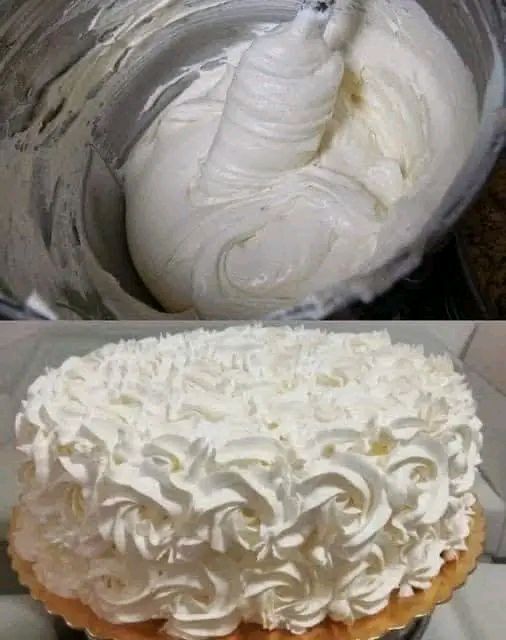
Work in Batches for Decorating: If you have a large cake or are working in a warm kitchen, don’t put all your whipped cream into the piping bag at once. Keep the unused portion in the refrigerator and refill your bag as needed. The warmth from your hands can quickly deflate the cream in the bag.
Practice Piping: If you’re new to piping rosettes, practice on a piece of parchment paper first. You can scrape the practice cream back into the bowl and reuse it. This helps you get a feel for the pressure and motion required for consistent, beautiful rosettes.
Cake Flavor Variations: While vanilla is classic, you can easily adapt the cake base. Consider a lemon zest cake for a bright, tangy contrast, or a chocolate cake for a decadent combination. A light almond cake would also be delightful.
Whipped Cream Flavor Variations: Infuse your whipped cream with other flavors. Add a touch of almond extract for an elegant twist, or a tablespoon of espresso powder for a subtle coffee note. You can also fold in finely grated citrus zest (lemon, orange, lime) for a fresh burst of flavor.
Fruit Fillings and Toppings: This cake pairs beautifully with fresh fruit. You can add a layer of fresh berries (strawberries, raspberries, blueberries) or sliced peaches between the cake layers with the whipped cream. For decoration, arrange fresh fruit on top of the finished rosettes just before serving. A fruit compote or curd can also be used as a filling for an extra layer of flavor and texture.
Chocolate Drizzle: For a touch of decadence, gently drizzle melted chocolate (dark, milk, or white) over the top of the finished cake just before serving. This adds visual appeal and another layer of flavor.
Coconut Whipped Cream: For a dairy-free option, use full-fat canned coconut cream (chilled overnight) instead of heavy cream. Scoop out the thick cream from the top of the can, leaving the liquid behind, and whip it just like regular heavy cream. It’s surprisingly stable and delicious.
Different Piping Tips: Experiment with other piping tips for varied textures. A round tip can create elegant dots or swirls, while a leaf tip can add delicate green accents if you choose to color a small portion of the cream.
Chocolate Shavings or Sprinkles: For a simple yet effective decoration, sprinkle chocolate shavings, edible glitter, or your favorite sprinkles over the finished cake, particularly around the edges or in the center. This adds texture and visual interest.
Make Ahead Components: The cake layers can be baked a day in advance, wrapped tightly in plastic wrap, and stored at room temperature or even frozen. This breaks up the work and makes assembly easier.
Storage and Reheating
Storage: Since this cake is made with fresh whipped cream, it is crucial to store it properly in the refrigerator. Cover the cake loosely with plastic wrap or a cake dome to prevent it from drying out and absorbing odors from other foods in the fridge. Whipped cream cakes are best enjoyed within 2-3 days of preparation. Beyond that, the whipped cream may start to lose its firmness and the cake can dry out. If using a gelatin-stabilized whipped cream, it will hold up a bit longer, possibly up to 4 days.
Reheating: Whipped cream cakes are not suitable for reheating. The whipped cream will melt and lose its texture when exposed to heat. This cake is meant to be served chilled or at cool room temperature. If you prefer your cake slightly less cold, you can take it out of the refrigerator about 15-20 minutes before serving, but do not leave it out for extended periods, especially in a warm environment.
Frequently Asked Questions
Why did my whipped cream deflate or become watery?
The most common reasons for deflated or watery whipped cream are insufficient chilling of the cream and equipment, or over-whipping. Ensure your heavy cream, mixing bowl, and whisk attachment are all very cold. Start with cold cream straight from the refrigerator. Over-whipping can cause the cream to separate and become grainy or turn into butter, releasing the liquid. Also, if the cream is left out at room temperature for too long, it will naturally start to deflate, especially if it’s not stabilized. Using a stabilizer like gelatin or cornstarch can significantly help maintain its structure.
Can I make the cake layers ahead of time?
Yes, absolutely! Cake layers can be baked 1-2 days in advance. Once completely cooled, wrap each layer tightly in plastic wrap and store them at room temperature. For longer storage, you can freeze the wrapped cake layers for up to 1-2 months. Thaw them at room temperature before assembling and frosting. This is a great way to break up the baking process and make assembly day less hectic.
What kind of cream should I use for whipping?
You must use heavy cream or heavy whipping cream, which typically has a milk fat content of 36% or higher. Do not use “whipping cream” (which has a lower fat content, usually 30-35%) or half-and-half, as they will not whip up as firm or hold their shape as well. The higher fat content in heavy cream is essential for creating stable, fluffy whipped cream.
How do I prevent my cake from drying out?
Several factors contribute to a moist cake. First, ensure you don’t overbake it; use the skewer test for doneness. Second, wrap the cooled cake layers tightly in plastic wrap if making them ahead of time. Third, proper storage of the finished cake is key: keep it covered in the refrigerator. If you anticipate needing the cake to last longer, a brush of simple syrup (equal parts sugar and water, boiled and cooled) on the cake layers before frosting can also add moisture.
ADVERTISEMENT